Hugo Bauer · 13 September 2026
Seasonal Referral Pattern Analysis for Solo Operated Websites Using Archived Content Layers
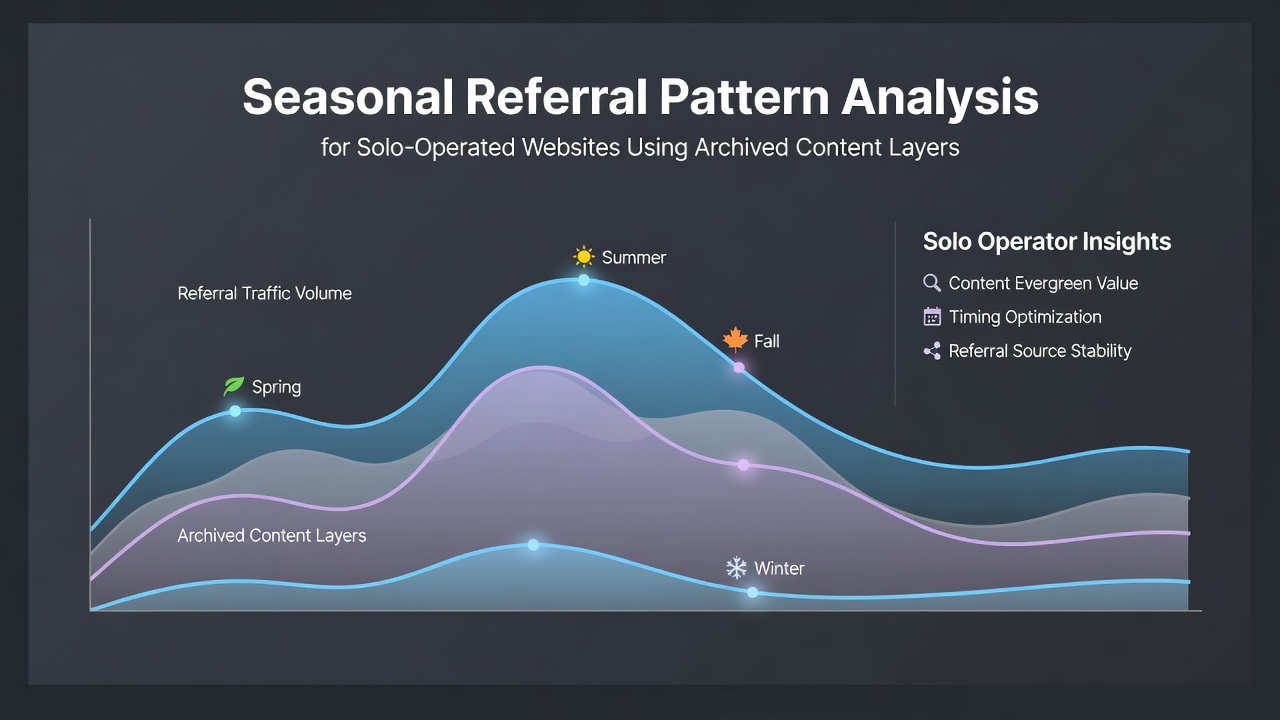
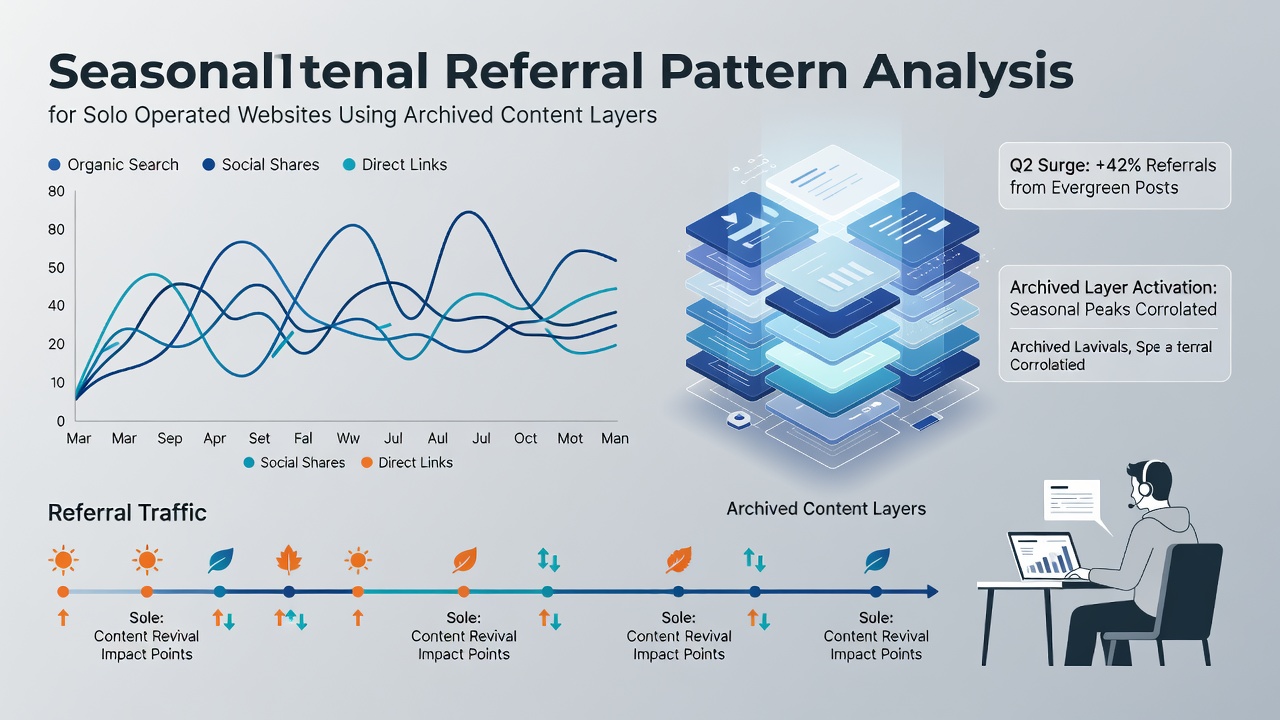
Seasonal referral pattern analysis examines how traffic sources shift across different times of the year for websites run by single operators, and archived content layers supply the historical snapshots needed to trace those shifts back to specific page versions. Researchers track referral data from analytics platforms alongside Wayback Machine captures or similar archive services to identify when certain content layers first appeared and how they influenced incoming links from search engines, social platforms, and other domains. Data from multiple years shows that referral volumes often rise in the final quarter while dipping during summer months, yet the underlying content changes that drive those movements require layered archive reviews to confirm.
Understanding Archived Content Layers in Traffic Analysis
Archived content layers consist of timestamped snapshots that preserve webpage states at particular moments, allowing analysts to reconstruct the exact version a referrer encountered during a given season. Solo operators pull these layers from public archives to match referral spikes with updates such as new blog posts, revised landing pages, or altered navigation structures. Studies from university research groups indicate that sites maintaining consistent archive reviews achieve clearer correlations between content modifications and referral source changes compared with those relying solely on current analytics dashboards. This method proves especially useful when referral data from third-party tools lacks granular timestamps that align with site evolution.
Methods for Mapping Seasonal Referrals Against Historical Snapshots
Analysts begin by exporting referral reports from tools like Google Analytics or Matomo that cover at least three full calendar years, then cross-reference each major traffic source with archive timestamps to determine which content version existed when the referral arrived. They segment the data by month to isolate patterns such as increased direct referrals during holiday periods or elevated social referrals around back-to-school seasons, and they note the specific archive layer that corresponds to each shift. Observers note that combining these datasets reveals whether a referral increase stems from fresh content added in one layer or from algorithmic changes that surfaced older layers again. Those who have applied this approach often discover that certain referral domains consistently link to pages that underwent updates in specific quarters, creating repeatable seasonal cycles visible only through layered historical review.
Data Segmentation and Pattern Identification
Segmentation divides referral traffic into categories including organic search, social media, email campaigns, and external site links before aligning each category with archive dates. Patterns emerge when winter referral growth coincides with content layers that include seasonal imagery or event-specific text, whereas spring declines align with layers that lack updated product information. Figures from academic reports on digital behavior reveal that independent sites experience referral fluctuations of 15 to 30 percent between peak and trough months, and archived layers help attribute those percentages to concrete content decisions rather than external market forces alone. Solo operators who repeat this segmentation annually build longitudinal datasets that highlight which layers contributed most to stable referral streams across multiple seasons.
Case Examples of Archive-Driven Referral Insights
One documented case involved a solo photography portfolio site where referral traffic from design blogs increased sharply each September after the operator added new gallery layers in late August, a pattern confirmed by matching archive timestamps with incoming link data. Another example from a personal finance blog showed summer referral drops from educational portals that coincided with archived layers containing outdated tax information, prompting the operator to refresh those sections before the next cycle. Researchers at institutions studying web archiving have compiled similar examples across regional datasets, demonstrating how content layer timing influences referral consistency for sites without dedicated marketing teams. These cases illustrate the practical value of archive review when analytics alone cannot explain why certain referral sources wax and wane with the calendar.
Tools and Data Sources Supporting Layered Analysis
Public archive services provide the raw snapshots while analytics platforms supply the referral metrics, and operators combine both through manual timestamp matching or custom scripts that pull archive metadata alongside traffic logs. Reports from the Australian Bureau of Statistics on digital engagement and from Statistics Canada on online content consumption offer broader context for seasonal web usage trends that can benchmark individual site patterns. Solo operators also reference research papers from European academic consortia that quantify how archive depth affects the accuracy of traffic attribution studies. These sources together allow analysts to place site-specific referral movements within larger regional usage cycles without relying on proprietary datasets.
Challenges in Aligning Referrals with Archived Layers
Archive coverage varies by site age and crawl frequency, so some pages lack snapshots during key seasonal windows and force analysts to interpolate between available layers. Referral data sometimes arrives without precise timestamps that match archive dates, requiring additional filtering steps to avoid misattribution. Observers note that changes in archive service policies can alter snapshot availability, which in turn affects the reliability of long-term seasonal comparisons. Despite these gaps, combining multiple archive sources with referral exports still yields usable patterns for operators who maintain regular review schedules.
Applying Findings to Future Content Planning
Once patterns are identified, operators adjust content update schedules to align new layers with anticipated referral peaks, such as preparing event-related pages before quarter-four traffic surges. They also monitor how older layers continue to attract referrals after newer versions replace them, tracking whether seasonal sources migrate to fresh content or remain attached to archived states. Data through September 2026 from ongoing archive projects shows that sites updating layers at consistent intervals sustain more stable referral streams across seasons than those making sporadic changes. This planning loop turns historical archive analysis into an operational tool for maintaining referral quality without additional staffing.
Conclusion
Seasonal referral pattern analysis using archived content layers equips solo operators with a method to connect traffic fluctuations directly to specific page versions and update timings. By matching referral reports against timestamped snapshots, independent sites uncover recurring cycles that standard analytics overlook. Continued use of public archives alongside regional usage statistics supports more precise attribution and informs content calendars that align with observed seasonal behaviors.